The ad
The leak: paying for clicks from people who were never going to buy.
The fix: tight targeting, negative keywords, creative that speaks to real buyers, and tracking that tells you the truth.
Hi, I'm Franklin Makori.
I run Google and Meta ad campaigns for service businesses and online stores. A great ad can't rescue a slow website or a lead nobody calls back, so I build the landing pages and the follow-up automations too.

Plenty of marketers can get you clicks. The money is made or lost in what happens after the click.
The leak: paying for clicks from people who were never going to buy.
The fix: tight targeting, negative keywords, creative that speaks to real buyers, and tracking that tells you the truth.
The leak: sending paid traffic to a slow homepage where people have to hunt for the next step.
The fix: fast pages with one clear offer and one obvious action, built to match the ad that brought people there.
The leak: leads that wait hours for a reply, or never get one.
The fix: automations that respond in seconds, qualify the lead and alert your team while the customer is still interested.
Show up at the exact moment someone searches for what you sell. I build campaigns around buying intent and keep cutting what doesn't pay.
Reach people on Facebook and Instagram before they start searching, and stay in front of the ones who showed interest.
Fast, focused pages built to convert paid traffic, plus full websites and online stores when you need them. Tracking is set up from day one.
Instant lead follow-up, chatbots, voice agents and CRM routing, so every lead you paid for gets a fast answer, even at midnight.
Real campaigns and builds. Click any of them for the full story: the problem, what I did and what happened.
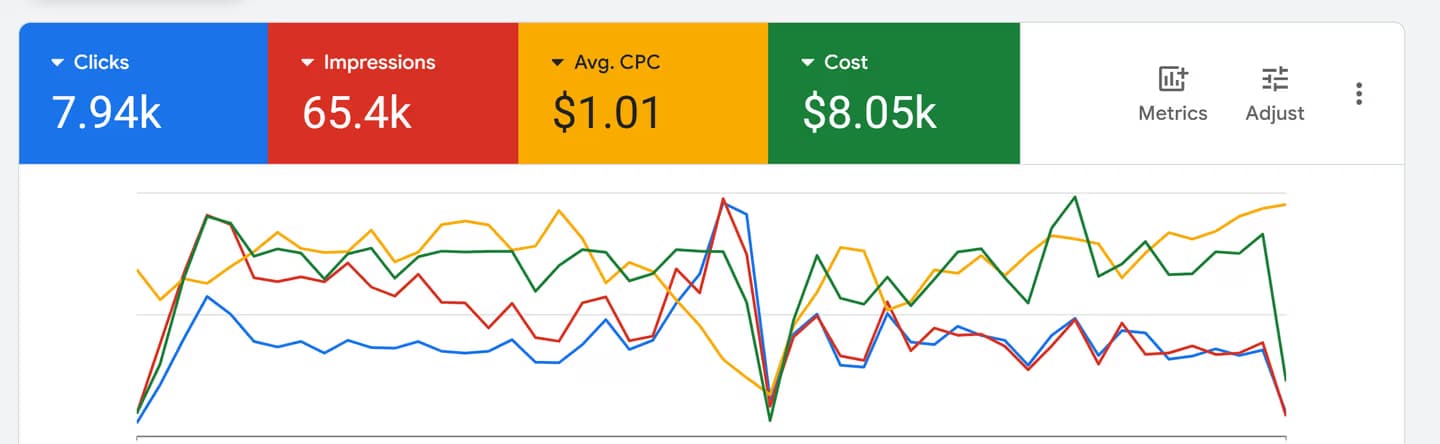 Google Ads
A Google Ads account that kept its cost per lead under $5 while scaling past 1,700 conversions.
Read the case study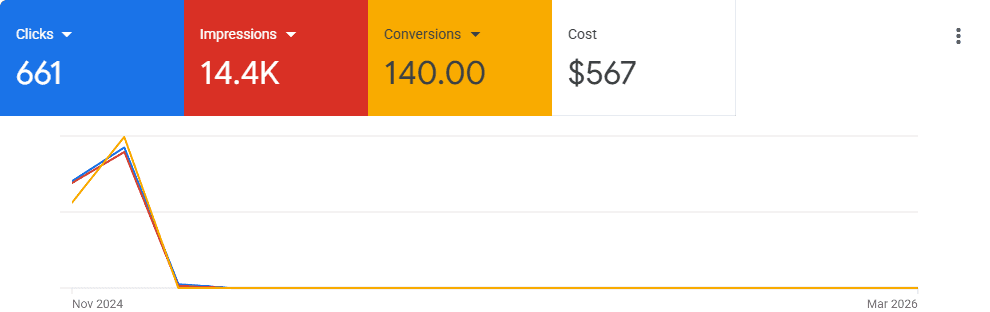 Google Ads
Google Search campaigns for a domestic staffing agency in Riyadh. 140 conversions from $567 in total spend.
Read the case study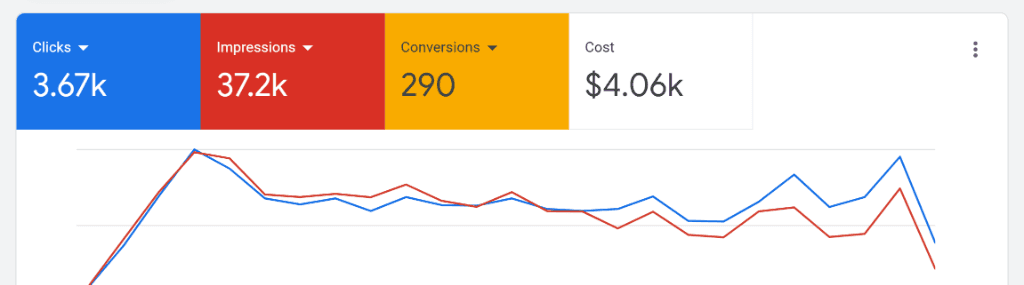 Google Ads
Rebuilt a struggling Google Ads account around local intent. The conversion rate tripled.
Read the case study Google Ads
Shopping feed fixes, smarter bidding and cart remarketing. More sales at a lower cost per sale.
Read the case study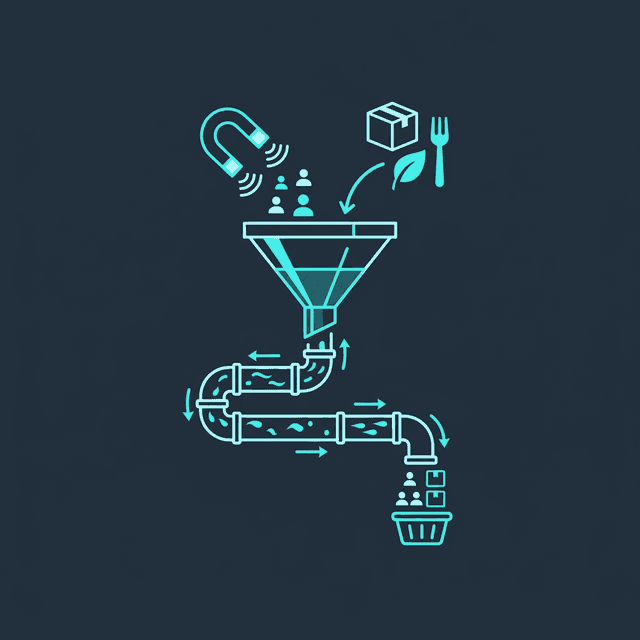 Lead Automation
An automated pipeline that collects, qualifies and routes leads to the sales team in real time.
Read the case study AI Chatbot
A chatbot that handles FAQs, bookings and basic troubleshooting, then hands complex cases to a human with full context.
Read the case studyI look at your ad accounts, your website and your tracking. Most of the time, the quickest wins are hiding in what's already there.
We agree on the offer, the audience, the budget and the one number that defines success, whether that's cost per lead, cost per sale or return on ad spend.
Campaigns go live along with any landing pages or automations they need. Nothing launches without tracking in place.
I keep cutting what doesn't work and putting more behind what does. You get plain-English reports showing what you spent and what it brought in.
I'm Franklin, a digital marketer based in Kenya, working with businesses in Kenya, Saudi Arabia and beyond. My main work is paid advertising on Google and Meta.
I also build websites and AI automations, and that's no side hustle. It's what makes the ads work harder. When I run your campaigns, I can see where leads drop off after the click, and I can fix it myself instead of handing you a list of problems for someone else to solve.
Cost per lead and cost per sale are the numbers that matter. Impressions are not a result.
You'll always know what's running, why, and what it's bringing in.
Your ad accounts, your pages, your data. If we ever stop working together, it all stays with you.
It depends on whether people already search for what you sell. If they do (cleaners, repairs, agencies, specific products), Google usually brings in leads faster because you're catching demand that already exists. If you're selling something people don't know they want yet, or something very visual, Facebook and Instagram are better for creating that demand. Plenty of businesses do best with both: Google for ready buyers, Meta to bring back the ones who didn't convert the first time.
Enough to get a meaningful number of clicks in the first few weeks, so we can see what works and stop guessing. The right figure depends on your industry, location and how much a customer is worth to you. After the audit I'll give you a specific recommendation, and I'll tell you honestly if I think ads aren't the right move yet.
Google Search campaigns often bring in the first leads within days of launch. Meta usually needs a few weeks of creative testing to find its feet. Either way, the first month is about learning and cutting waste, and the real gains come from the optimising that follows.
Not always. Often a single focused landing page does far better than a full redesign. I'll look at your current site during the audit and tell you whether it's fine as it is, needs a few fixes, or would be better served by a dedicated page.
Access to your ad accounts if you have them, your website or landing page, your monthly budget, and a clear picture of your ideal customer. A short call usually covers it. I handle the rest.
Yes. Ads perform best when someone keeps working on them, so most clients stay on a monthly retainer for optimisation and reporting. Every website and automation project also includes 30 days of support after launch.
Most automations, such as lead follow-up flows, chatbots or CRM routing, take one to three weeks from first call to going live. Bigger, multi-platform systems take longer, and I'll give you a clear timeline before we start.
Tell me what you sell, where you advertise (if anywhere yet) and what isn't working. I'll come back with honest thoughts on where to start, even if that means you don't need me.